Lytta: Command Attention with a Bold Display Font
In a sea of templates and standard typefaces, establishing a distinct visual voice is the most significant challenge for any creator. You need a tool that does more than just convey words; it needs to carry weight, personality, and an unmistakable sense of intent. This is precisely where Lytta, a premium font designed for impact, enters the creative conversation. It’s not a quiet, background player. Lytta is engineered to be the centerpiece, a display typeface with a strong character built to elevate your most important headlines, logos, and branding elements.
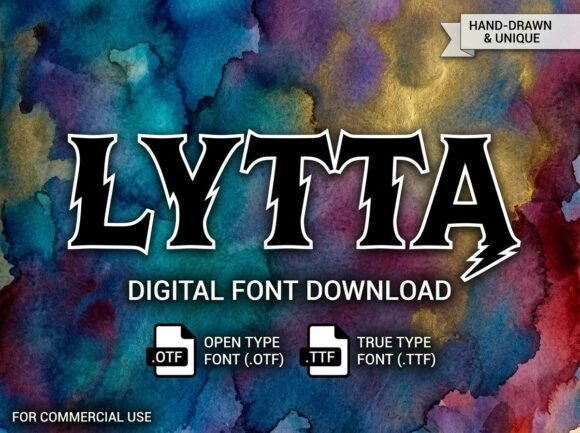
At its core, Lytta is a high-end decorative display font. It draws inspiration from the principles of modern typography while infusing a distinct, artistic flair. Think of it as the confident, well-dressed individual in a room who doesn't need to shout to be noticed. Its visual personality is one of sophisticated boldness. The letterforms are crafted with a strong, balanced structure, giving them a monumental quality. You'll find subtle decorative elements—perhaps a unique curve on a 'Q', a dramatic serif on a 'T', or a stylized terminal on a 'C'—that prevent it from feeling generic. These are the details that give Lytta its soul, making it perfect for projects that aim to break away from the ordinary and establish a memorable aesthetic.
Where Lytta Truly Shines: Practical Applications
Understanding where a typeface like Lytta excels is key to using it effectively. Its strength lies in its ability to act as a focal point. Therefore, it’s the ideal choice for any application where a single word or short phrase needs to carry the entire design. For logo design, Lytta can form the backbone of a powerful brand identity, giving a new business an instant sense of establishment and professionalism. In packaging design, it can make a product name pop off the shelf, communicating a high-end, artisanal quality before the customer even reads the description.
Think about editorial design. A magazine cover, a book title, or a feature article headline set in Lytta immediately signals that the content within is significant and worth exploring. In the digital realm, its impact is just as potent. A website hero section with a bold Lytta headline can instantly capture a visitor's attention and communicate the brand's core message. For social media graphics, where you have mere seconds to stop a user from scrolling, a striking title set in Lytta can be the difference between being seen and being ignored. It’s a creative font that brings a level of craft to digital spaces that are often dominated by overused defaults.
Designing with Lytta: A Practical Guide
Including a powerful font like Lytta in your design assets is a great first step. The next is using it with intention. The most critical piece of guidance is to respect its nature as an all-caps display typeface. It is designed for impact, not for body text. Using it for long paragraphs would be like trying to have a quiet conversation with a megaphone—it’s simply the wrong tool for the job. Its purpose is to create a strong visual hierarchy, setting it apart from your supporting text, which might be a clean sans serif font or a classic serif font.
One of the most effective techniques in modern typography is font pairing. Lytta’s bold, decorative character makes it a fantastic partner for more neutral typefaces. Try pairing a Lytta headline with a body of text set in a clean, legible sans serif font like Lato, Montserrat, or Open Sans. This contrast allows the headline to stand out while ensuring the main content remains easy to read. Alternatively, you could pair it with an elegant serif font like Garamond or Georgia for a more classic, high-fashion feel. Experimentation is key; test different pairings to see what best suits your project's specific personality and goals.
Understanding the Files: OTF vs. TTF
When you acquire a commercial font like Lytta, you typically receive multiple file formats. It’s helpful to know what they are and when to use them. The package includes both OTF and TTF files, covering virtually all your design needs.
- OTF (OpenType Font): This is the professional standard. OTF files can contain a larger character set and support advanced typographic features, such as ligatures (special combined characters) and stylistic alternates. If you are working in professional design software like Adobe Illustrator, Photoshop, or InDesign, the OTF file is your best choice. It gives you the most control and access to the font's full range of features.
- TTF (TrueType Font): This is the universal workhorse. TTF files are known for their broad compatibility across all operating systems, including older versions of Windows and macOS. While they may not support all the advanced features of OTF, they ensure that anyone, anywhere, can install and use the font without issue. This makes TTF files excellent for sharing with clients or for use in programs that don't fully support OpenType features.
Making the Right Choice for Your Project
Before integrating Lytta into your workflow, take a moment to consider if it’s the right fit. Does your project require a strong, authoritative voice? Is the goal to convey a sense of luxury, creativity, or modern strength? If you’re designing a minimalist report or a technical manual, Lytta is likely not the answer. But if you are building a brand identity from the ground up, designing an event poster, creating a compelling YouTube thumbnail, or crafting a beautiful book cover, it could be the perfect asset.
A final, crucial consideration is licensing. A premium font is a piece of intellectual property, and its license dictates how you can legally use it. Always review the license agreement that comes with your font purchase. It will clarify whether the font can be used for personal projects only, or if it’s cleared for commercial use in items you sell, like products, merchandise, or client work. Understanding this from the start protects you and respects the work of the type designers who created the asset.
Ultimately, a typeface is one of the most powerful tools in a creator's arsenal. It sets a mood, tells a story, and guides the viewer's eye. Lytta offers a specific, high-impact personality that can transform a good design into a great one. By understanding its strengths and applying it thoughtfully, you can leverage this creative font to make your projects more memorable, professional, and visually compelling.